
ARTWORK DETAILS
David Aston
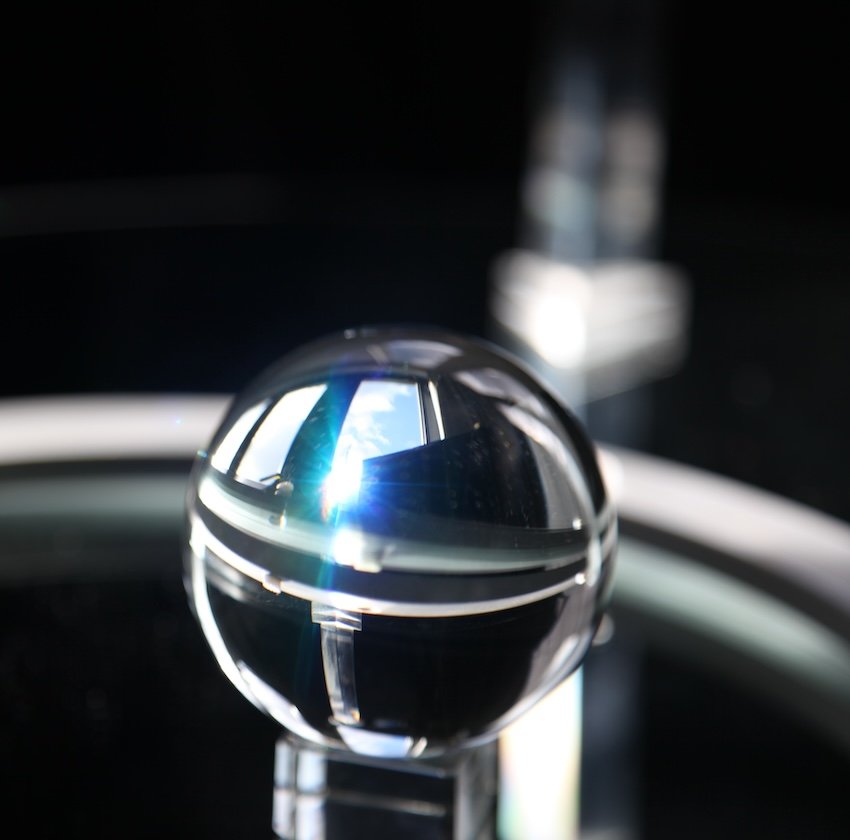
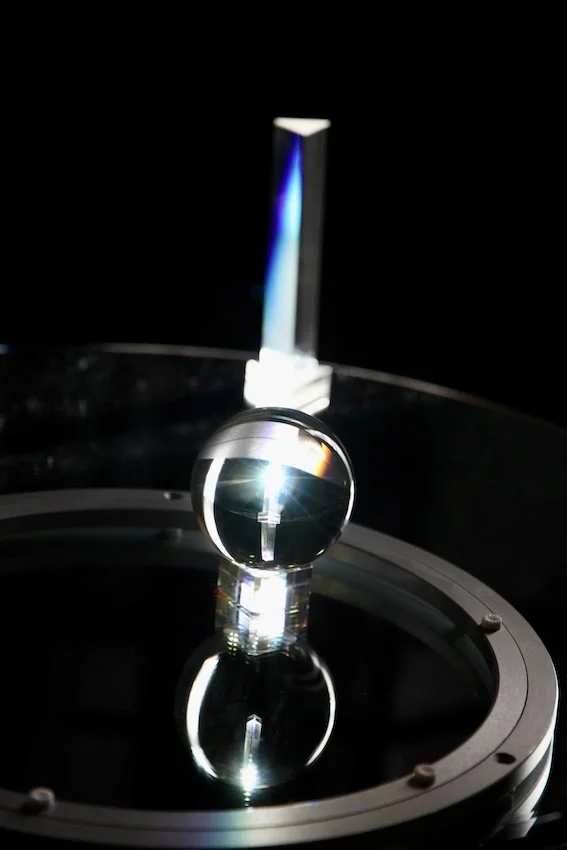
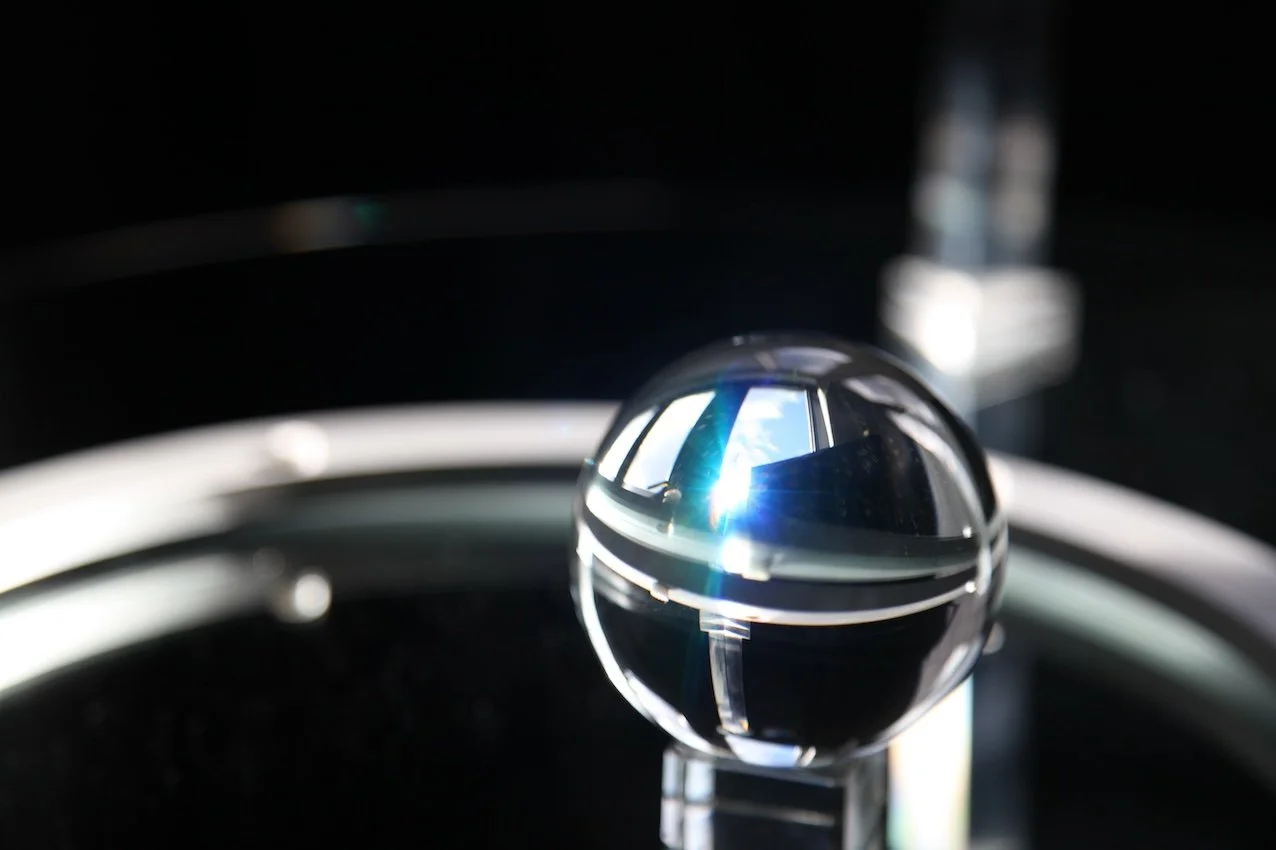
Phænomena (the philosophers universal optick)
Three dimensions: antique table, crystal prism, crystal sphere, mirror, aluminium turntables.
Fourth dimensions: sunlight, space, time, dust
2025 - ongoing
FURTHER DETAILS
Phænomena (the philosophers universal optick) is a commission for friends special birthday. The brief was a work of art to celebrate his passion for cosmology, the field of science investigating the nature of the universe and the cosmos.
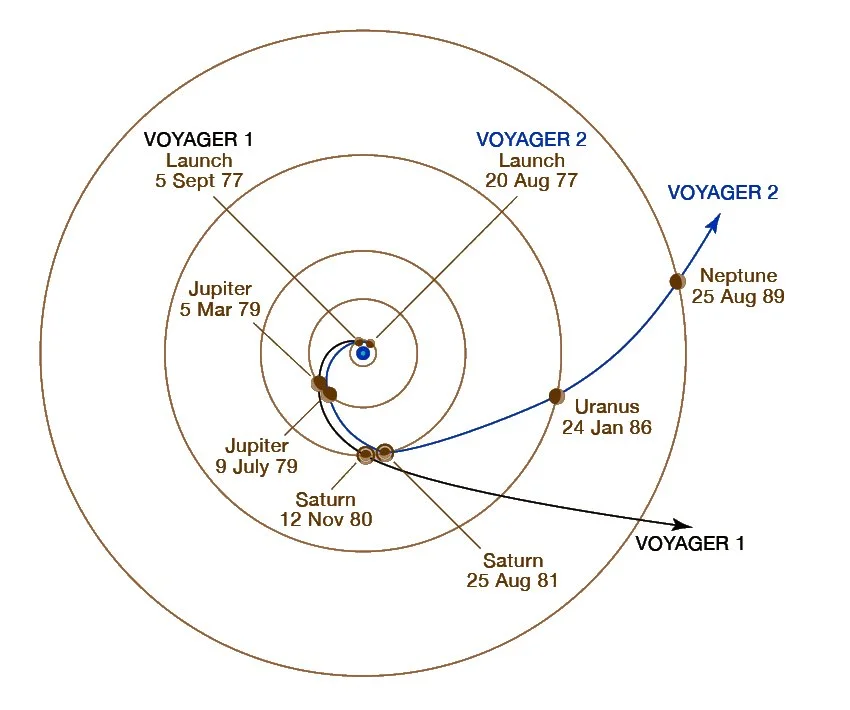
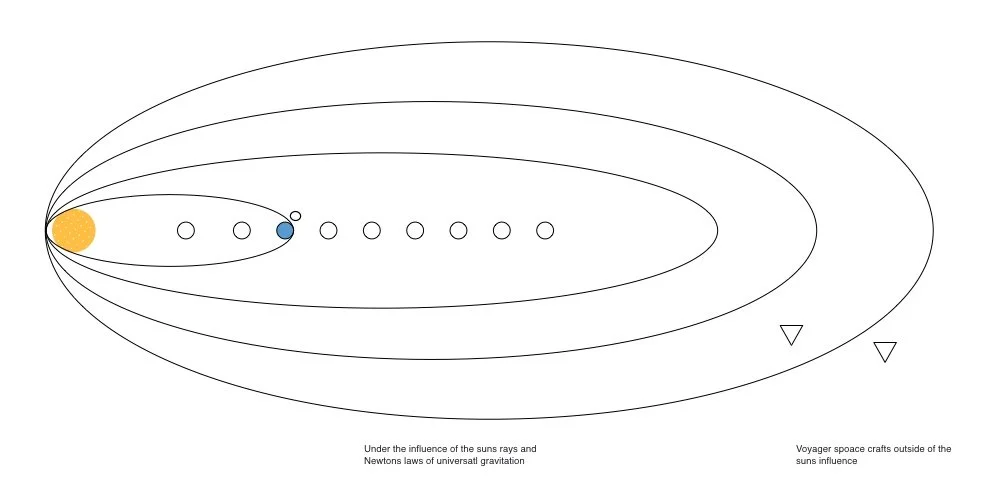
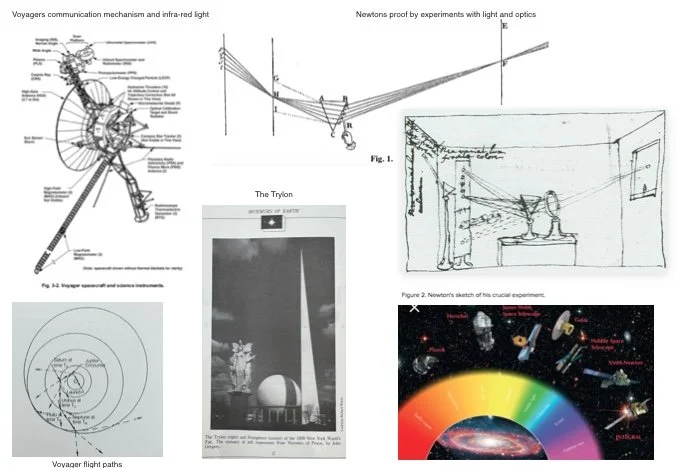
Inspiration for the work came from NASA’s Voyager missions, and Marriner spacecraft, the greatest interplanetary explorers ever built. Launched in 1977 their original mission was to explore the planets of our outer solar system but was later expanded to continue into interstellar space. Their mission long complete, they are now in the heliopause outside of the influence of our sun. They will drift indefinitely through space, ambassadors of our species that are likely to out-live both our species and Earth itself.
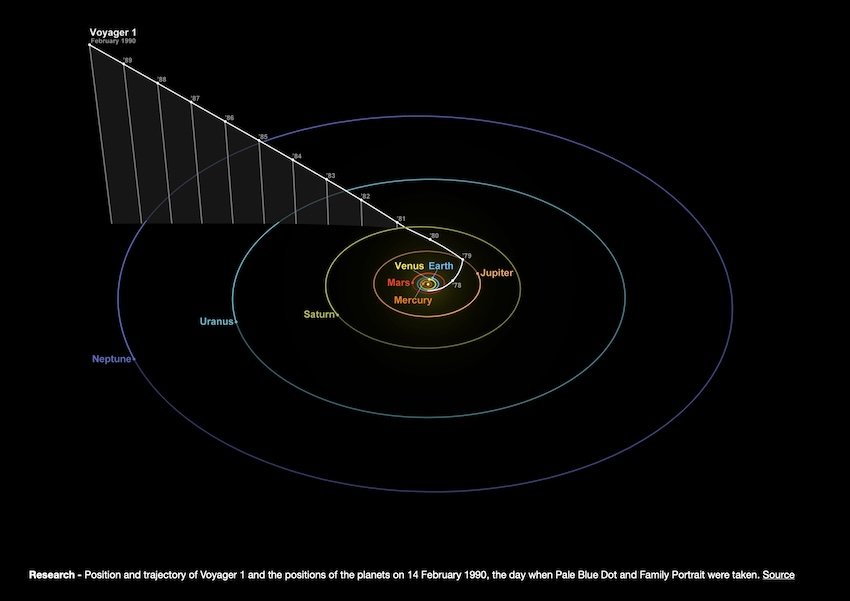
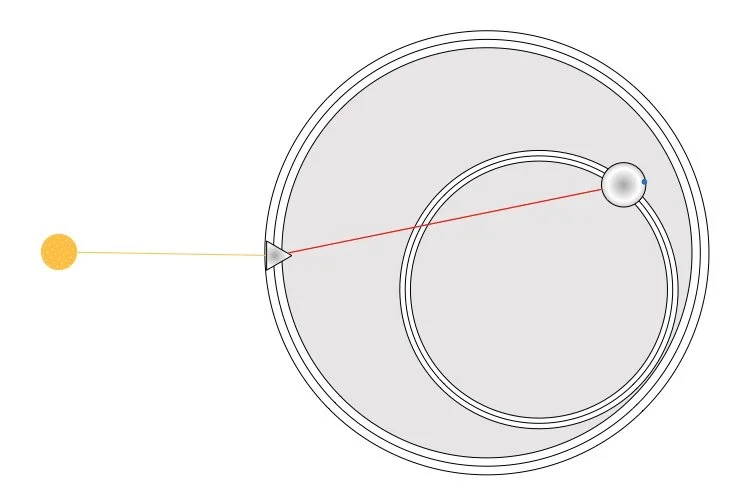
Position and trajectory of Voyager 1 and the positions of the planets on 14 February 1990, the day when Pale Blue Dot and Family Portrait were taken. Source
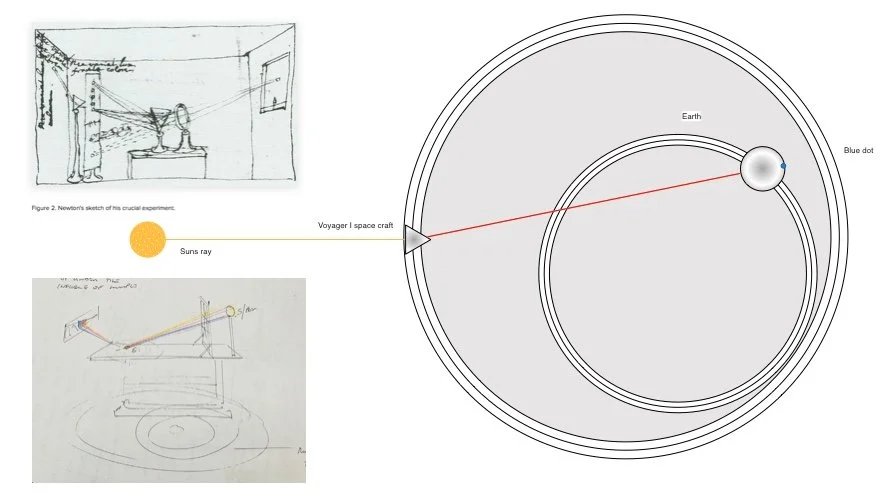
The Family Portrait photographs of our solar system - During the missions the Voyager spacecraft took images of the planets and their satellites. Carl Sagan proposed an additional series of photographs linking together six of the planets of our outer solar system. Entitled the Family Portrait, the series includes a picture of Earth taken from a distance of 6.4 billion km which depicts Earth as a 0.12 pixel crescent sitting in the centre of a sun ray. This photograph became know as the Pale Blue Dot after Carl Sagan’s reflections on the depiction of earth as a tiny dot and the only know source of life in the universe.
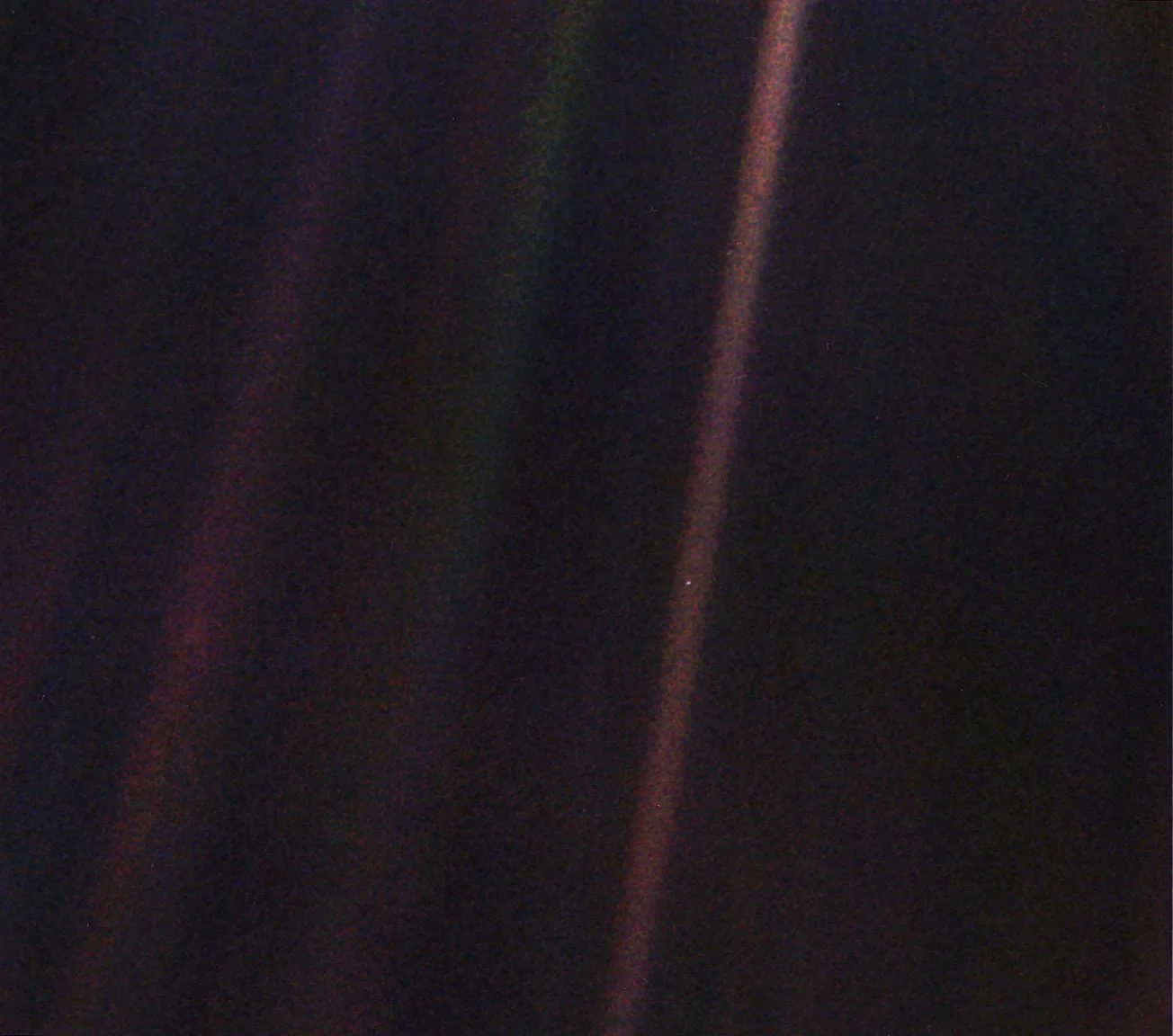
A photograph of earth called the pale blue dot, one of NASA’s family portraits taken by the Voyager I spacecraft before continuing into interstellar space
In his 1994 book entitled Pale Blue Dot, Sagan comments on the greater significance of the photograph:
“Consider again that dot. That’s here. That’s home. That’s us. On it everyone you love, everyone you know, everyone you ever heard of, every human being who ever was, lived out their lives. The aggregate of our joy and suffering, thousands of confident religions, ideologies, and economic doctrines, every hunter and forager, every hero and coward, every creator and destroyer of civilization, every king and peasant, every young couple in love, every mother and father, hopeful child, inventor and explorer, every teacher of morals, every corrupt politician, every “superstar,” every “supreme leader,” every saint and sinner in the history of our species lived there – on a mote of dust suspended in a sunbeam.”
“The Voyager imaging team asked for the photo to show Earth’s vulnerability - to illustrate how small, fragile and irreplaceable it is on a cosmic scale.”


Joseph Wright of Derby, The Orrery. Source: Public domain, via Wikimedia Commons
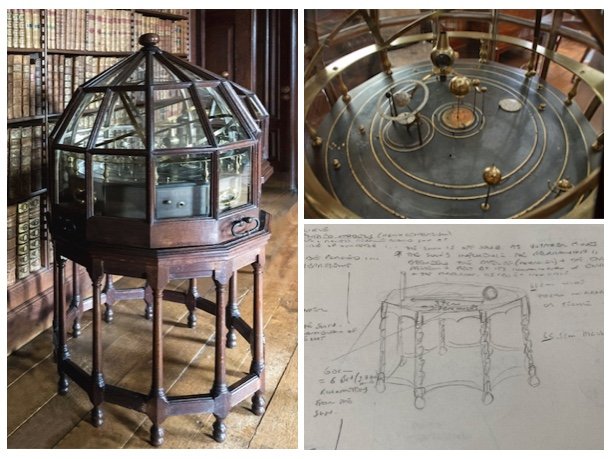
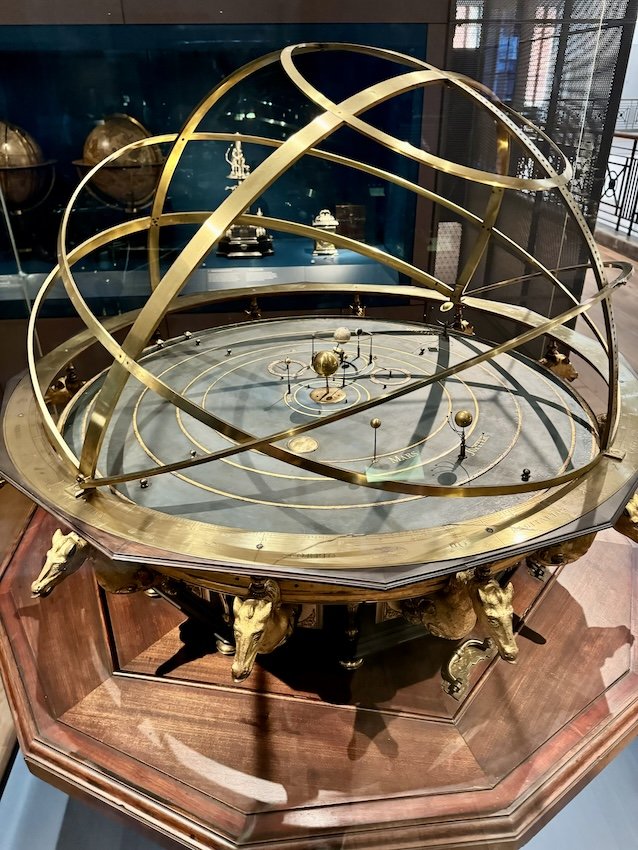
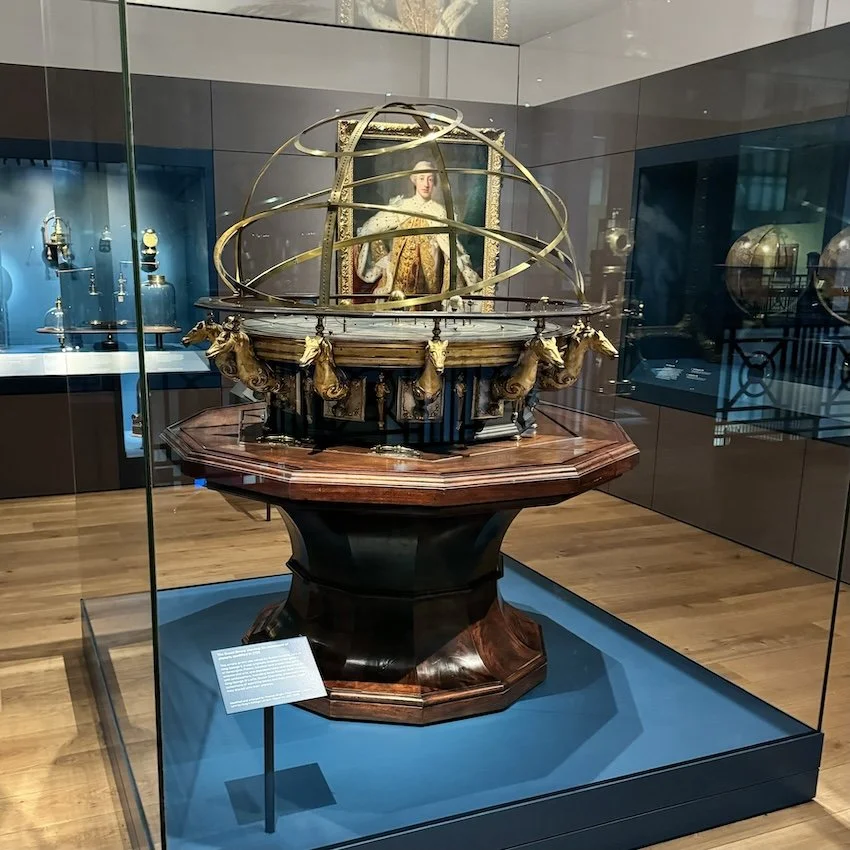
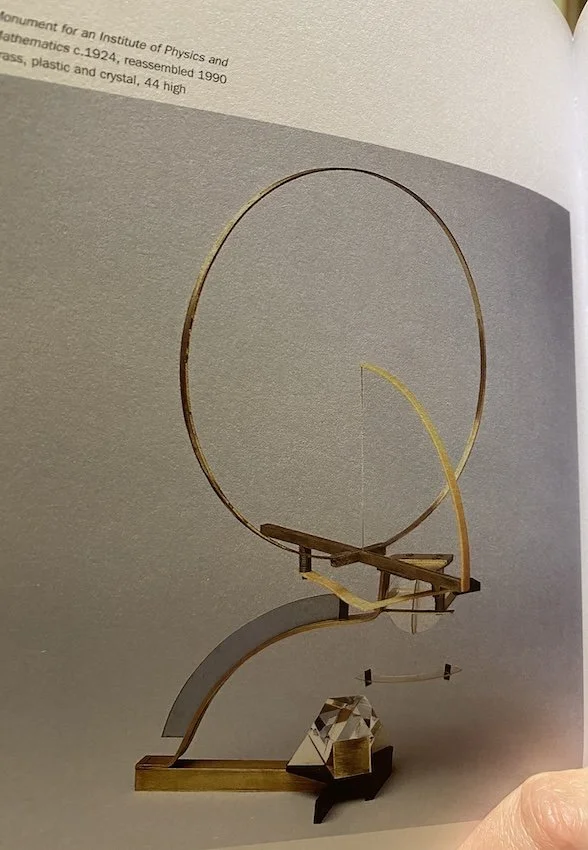
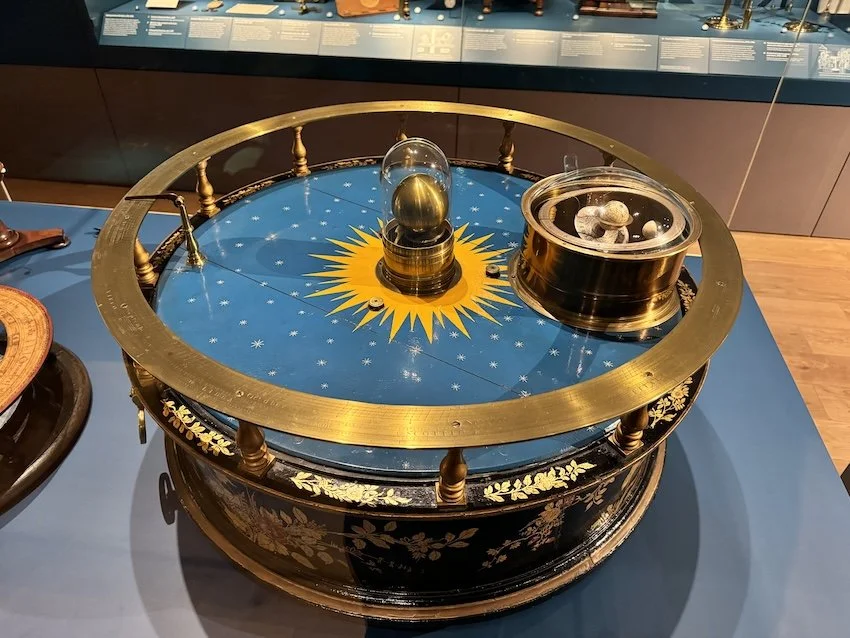
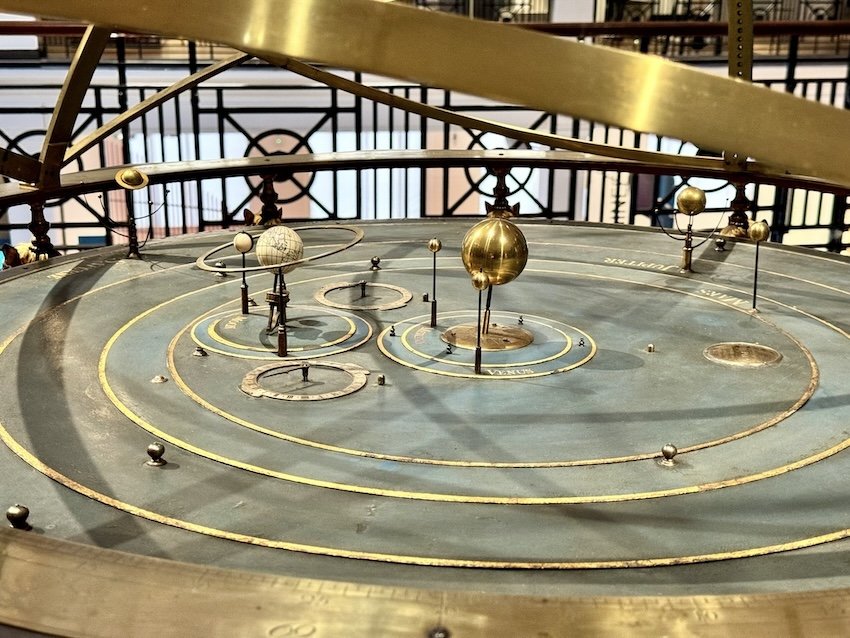
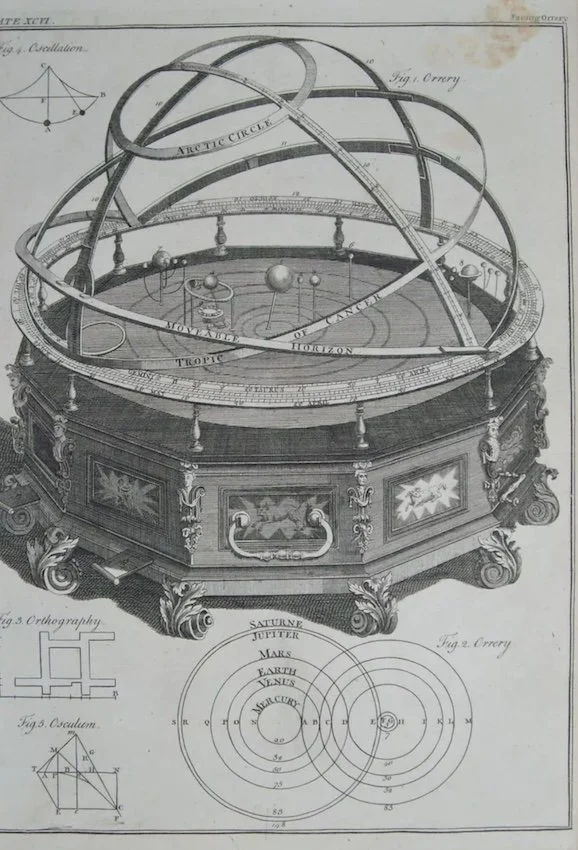
Interpreting the brief - Taking NASA’s flight paths and family of man photograph of earth as a starting point, I delved into the history of scientific observation and discovery. The earliest known depictions of the visible universe and their models which evolved with the invention of optics and scientific advances. The two and three dimensional depictions of the planets, our universe and the cosmos in miniature. The scientific apparatus, devices, and models made to discover and demonstrate the wonder of scientific and cosmological discovery. The wonder of discovery so beautifully depicted by Jospeh Wright of Derby in his painting The Orrery, the Great (Philosophical) Table made by George Adams for King George III, and Gabo’s Monument for an Institute of Physics and Mathematics.
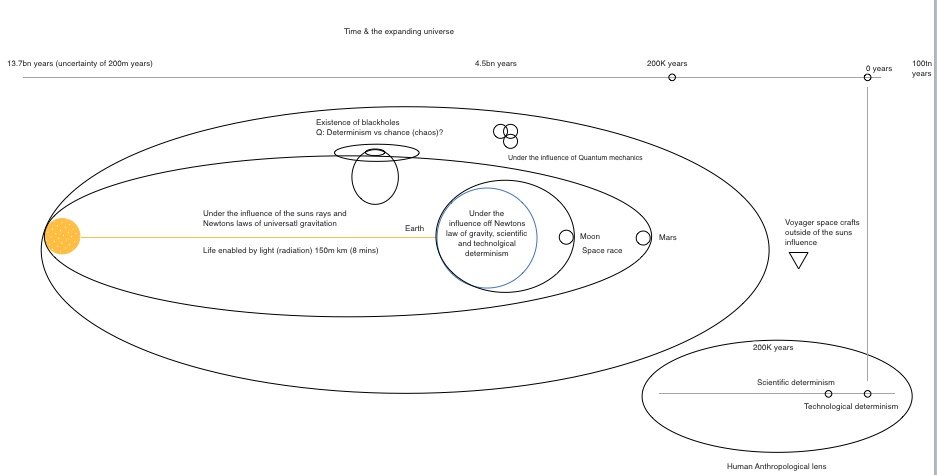
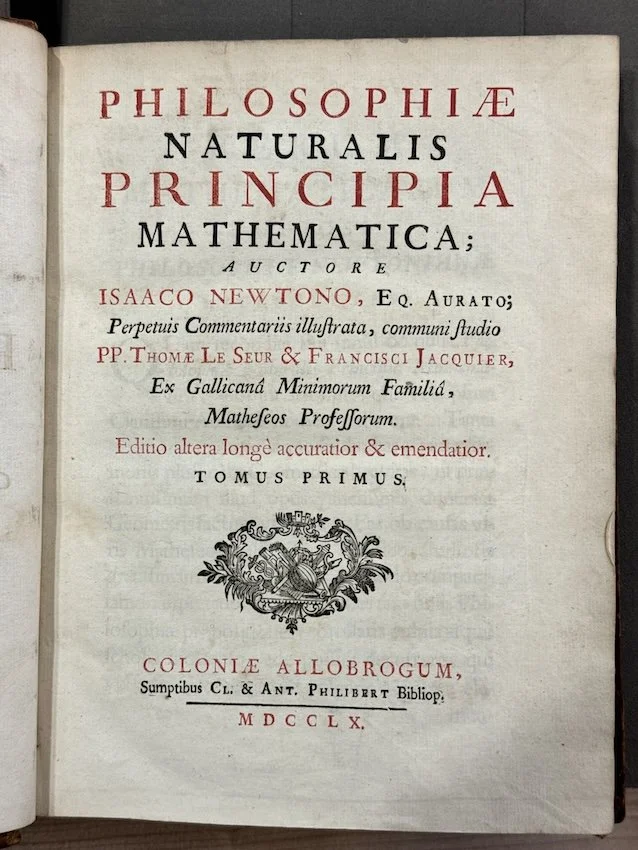
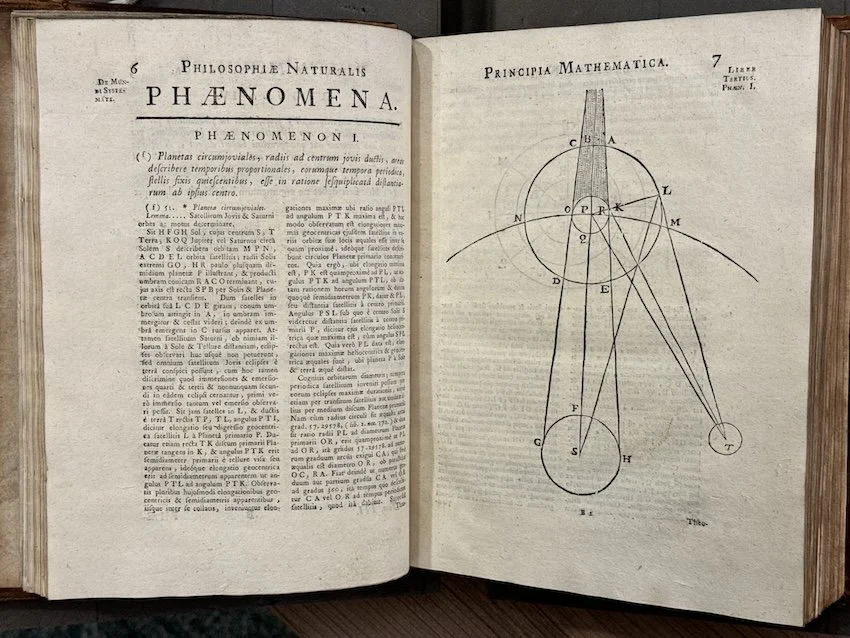
I looked at how Voyager communicates with earth across vast distances. How it transmits information through space to inform our understanding of the cosmos. Newtons Principia and observations of light using optics, discovery of spectrometry, the measurement and colour of stars, and wavelengths used to send and receiver signals from / to Voyagers communication system. These led me to choosing light (or waves) as the medium to re-create the blue dot. I wanted to use these light waves, Newton’s phenomena, the sun’s life-giving rays as an authentic expression of scientific discovery and natural philosophical thought.
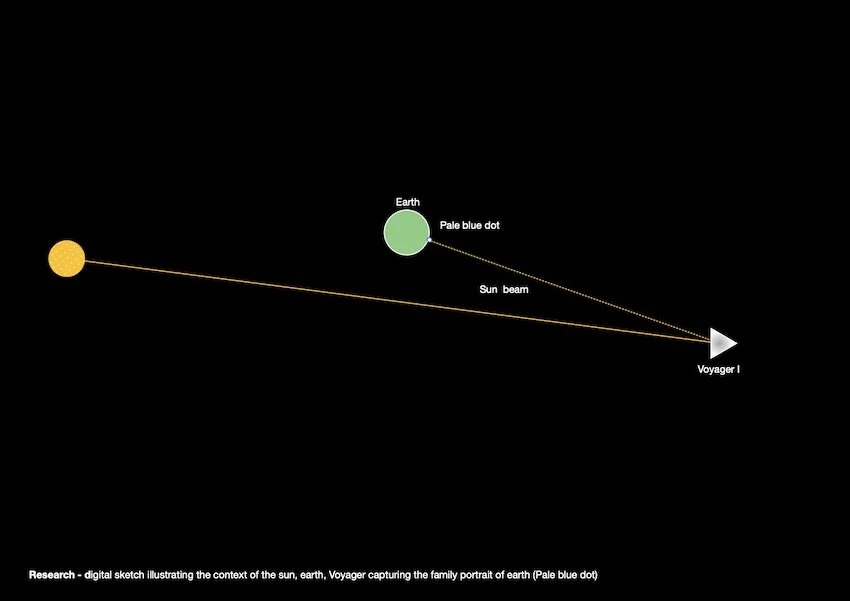
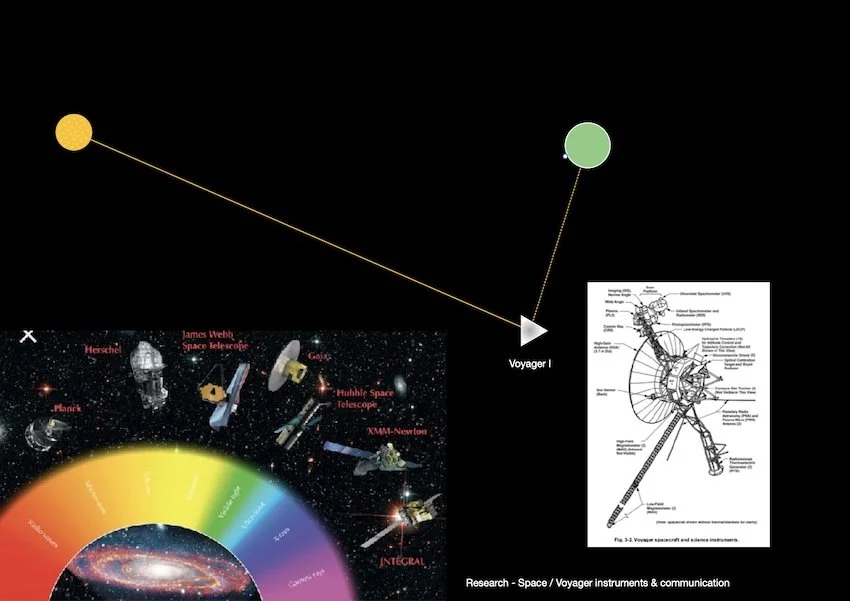
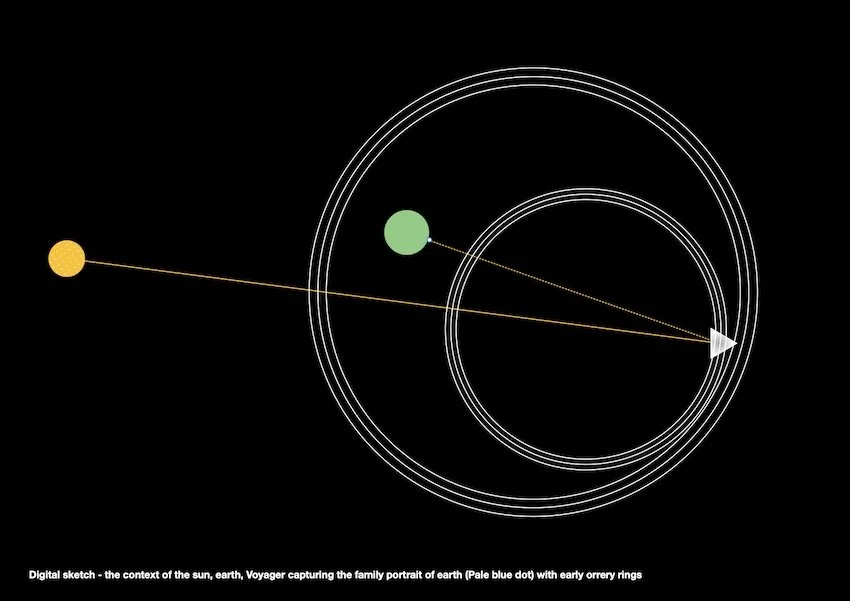
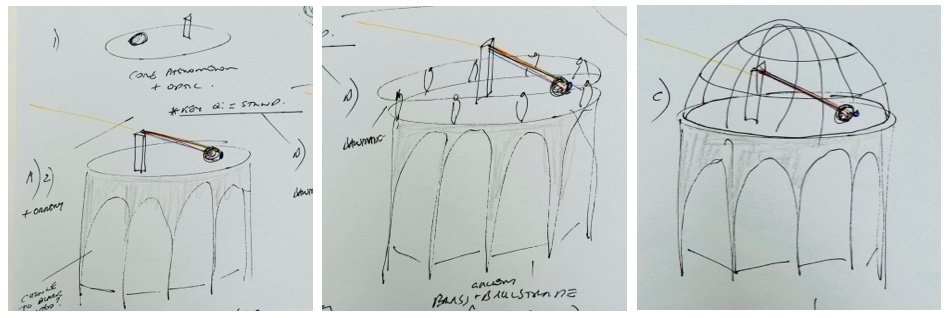
I wanted to create a sculptural miniature universe and instrument of philosophical reflection directly inspired by these objects of scientific discovery with the illumination of Newton’s optics. Experimenting with these concepts, I came upon the idea of replacing Voyager with Newton’s opticks [sic] and Segan’s pixelated mote of dust with the celestial sphere’s of Plato, Aristotle, Ptolemy, and Copernicus, so that when they are perfect aligned with the sun, they use its rays to create a radiant star-like blue dot.
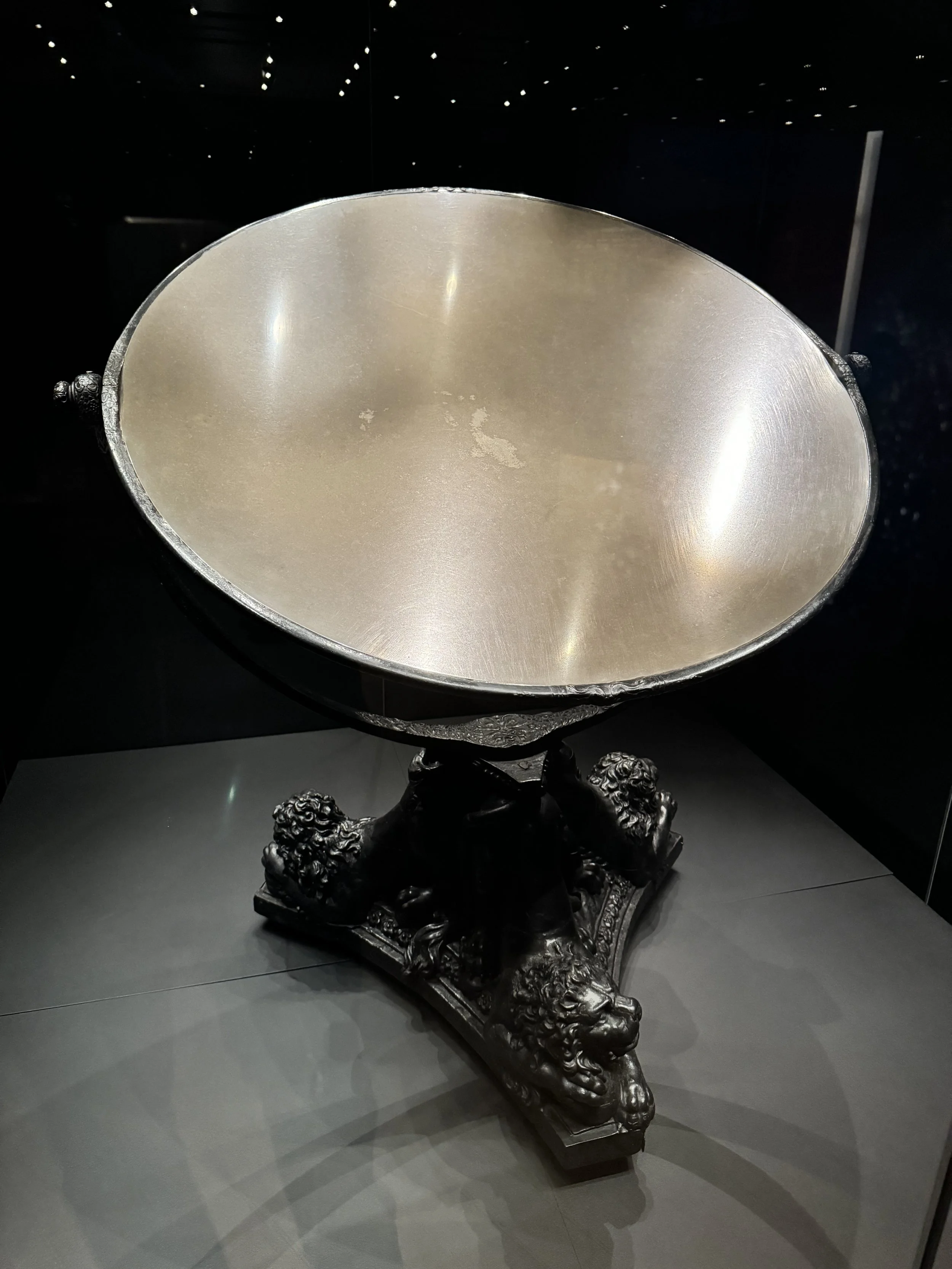
For the cosmos I chose a mirror to replicate the highly polished mirrors used in the first telescopes and modern satellite optics on Voyager and James Webb. This is contemporary twist on the traditional wooden orrery base. I also enjoyed that the mirror would gather dust - a playful interpretation of Sagan’s “mote of dust” and homage to Duchamp’s “Dust Breeding (Duchamp's Large Glass with Dust Motes)”. The mirror is 60cm in diameter, 6 billion km being the distance between Earth and Voyager when the Pale Blue Dot was photographed.
I replaced the brass celestial rings of historical clockwork orreries, and Voyager’s gravity-assisted flight paths with aluminium turntables which marked the visible universe from the wider cosmos and allows them to rotate. The orrery sits on a hexagonal table similar in style to those crafted for the first grand orreries of the 18th century.

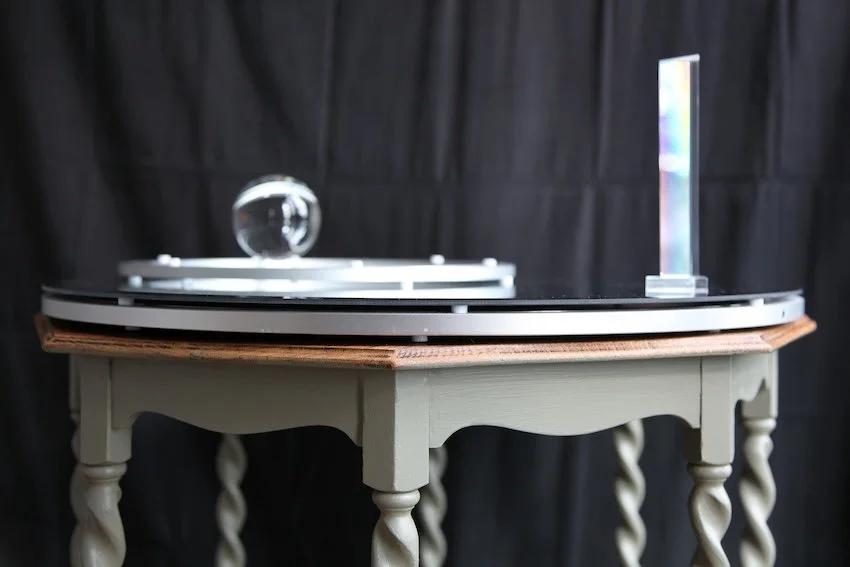
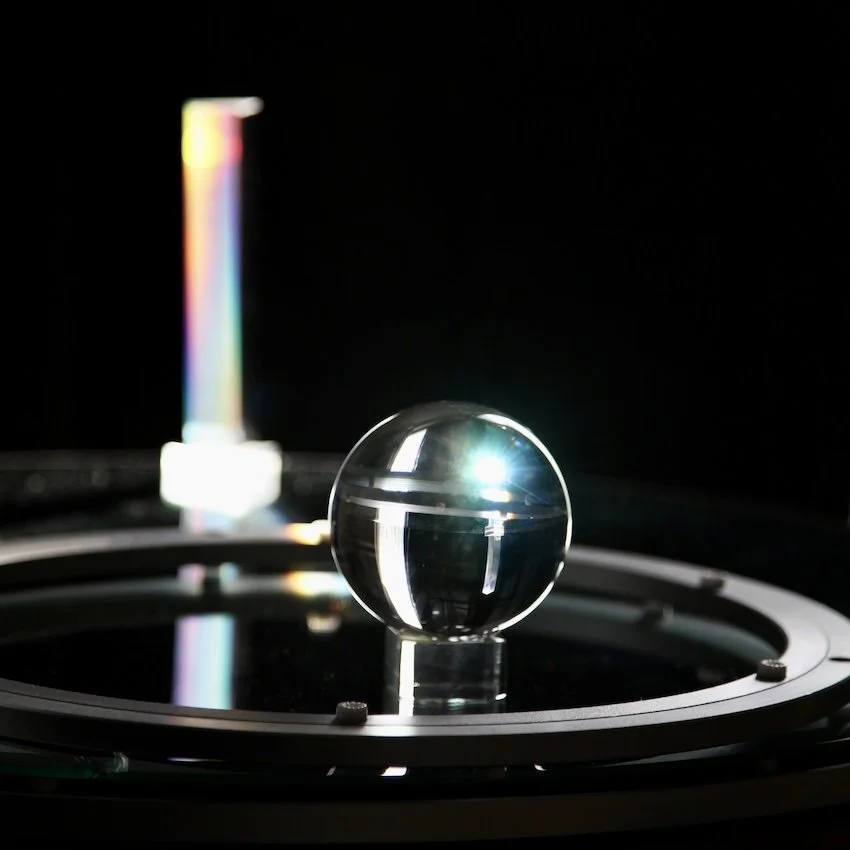
Phænomena (the philosophers universal optick) is a contemporary orrery, a minature model of earth and voyager rotating within Sagan’s “vast cosmic arena” build for philosophical reflection. An orrery, not activated and guided by clockwork, but by Newton’s discoveries and activated by cosmic rays. An optick with which to contemplate our place within the cosmos, and the preciousness and phenomena of life on Earth in the vastness of space, time, and within the sanctuary of our suns life-giving rays.
It’s the most wonderful of briefs and not to be rushed. Research and experimentation continues…
RESEARCH & NOTES
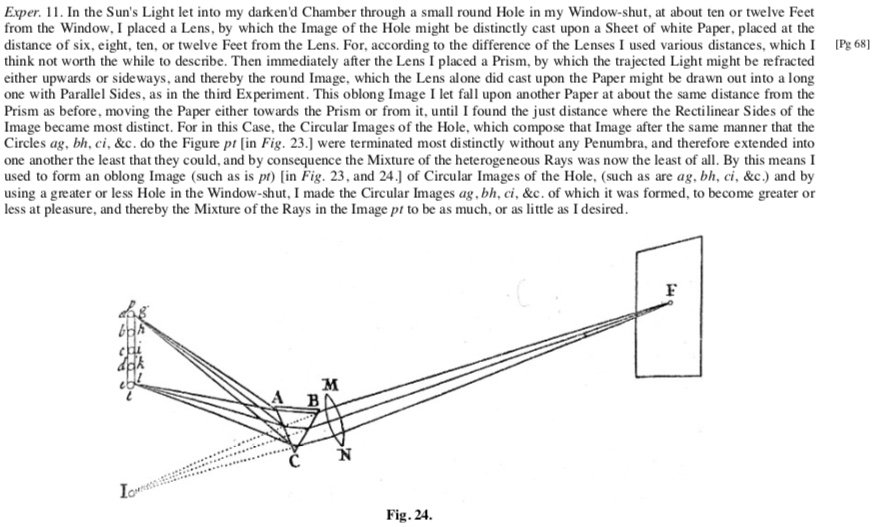

“Nature, and Nature’s laws lay hid in night. God said, Let Newton be! and all was light. ”
FURTHER READING
Nasa - Voyager 1 Mission: https://science.nasa.gov/mission/voyager/voyager-1/#:~:text=The%20probe%20is%20now%20in,magnetic%20fields%20from%20the%20Sun.